
How Are Businesses Using QR Codes to Attract More Customers?
QR CODE FOR BUSINESSES
Businesses are constantly looking for better ways to reach customers and build lasting relationships. Traditional advertising still plays an important role. However, modern customers also expect quick access to digital information. This shift has encouraged companies to explore new marketing approaches. QR codes have become a useful part of this change. They connect physical marketing materials with online experiences and give customers direct access to relevant business information.
From retail stores to restaurants, businesses use QR technology to improve communication and customer engagement. It also provides new opportunities for product promotion, brand awareness, and customer feedback. But how exactly are businesses using QR codes to attract more customers? Let’s explore their applications across different industries.
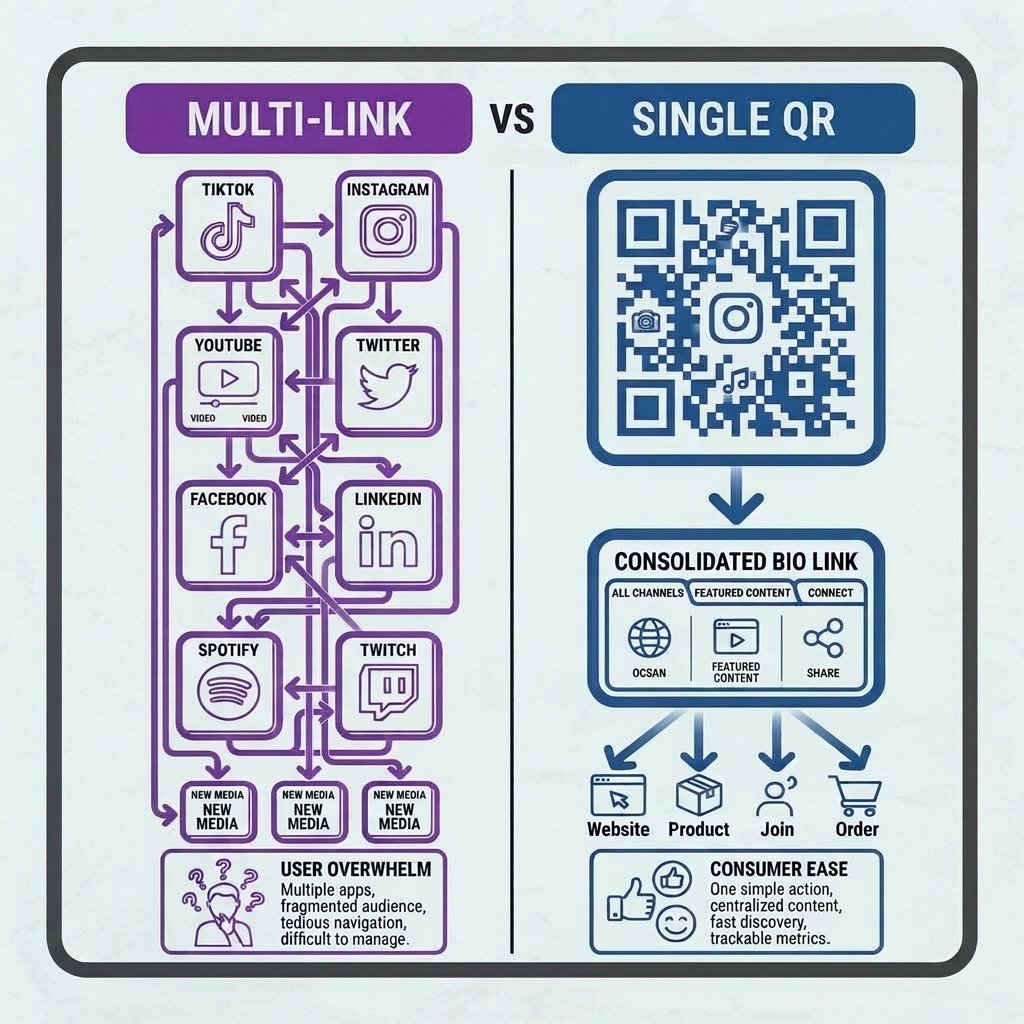
Connecting Offline Marketing with Online Customers
Traditional marketing materials have limited space. A poster introduces a product, but it does not explain every features. A business card provides contact details, but it does not display an entire company portfolio.QR technology helps businesses extend these marketing materials.

Attracting More Customers Through Retail Marketing
Retail businesses compete for customer attention every day. Attractive displays and product packaging help introduce products. However, customers often need more information before making purchasing decisions.QR technology provides an additional information channel.
Product Discovery
Retailers use QR codes to introduce customers to product collections. A shopper interested in a particular item can access additional product details and explore related products.
Special Promotions
Businesses connect promotional displays with discount announcements and seasonal campaigns. This gives customers access to current offers and relevant information.
Product Reviews
Customers often check reviews before purchasing unfamiliar products. Retailers can provide access to product review pages and customer experiences.
Shopping Assistance
A QR code placed near a product display can direct shoppers to size guides, product specifications, and usage instructions. These applications make product discovery more informative and help retailers communicate with customers during the shopping experience.
Increasing Brand Awareness Through Interactive Marketing
Brand awareness plays an important role in business growth. Customers are more likely to remember companies that provide consistent and recognizable experiences. QR technology gives brands another way to communicate their identity.
Businesses use this approach to promote:
- Brand stories and company introductions.
- New product launches.
- Video demonstrations.
- Promotional campaigns.
- Digital catalogues.
- Customer loyalty programmes.
The linked content should reflect the brand’s identity. A consistent design and relevant information help create a recognizable customer experience.
Using QR Codes on Product Packaging
Product packaging is more than a protective layer. It is also an important communication channel between a business and its customers. However, packaging space is limited. Companies cannot include every product detail on a small label. QR technology helps extend the information available to customers.
- Access to Product Instructions: Manufacturers can direct customers to online user manuals and instructional videos.
- Product Origin Information: Food and consumer product companies can provide information about ingredients, manufacturing, and sourcing.
- Warranty and Registration: Electronics businesses can connect customers with product registration and warranty information.
- Care and Maintenance: Clothing brands and appliance manufacturers can provide product care instructions. These applications are especially useful when customers need information after purchasing an item.
What Makes a Successful QR Code Marketing Strategy?
A successful campaign starts with a clear objective. Businesses should understand what they want customers to do after interacting with their marketing materials. For example, a retailer might want customers to explore a new collection. A restaurant might want more people to view its menu. A service provider might want to receive more enquiries. Each objective requires relevant content.
- Understand Your Audience: Identify customer interests and information needs.
- Choose Relevant Content: Direct visitors to pages related to the campaign.
- Use Clear Instructions: Explain why customers should interact with the code.
- Maintain Brand Consistency: Keep the linked experience aligned with your business identity.
- Review Performance: Study customer interactions and improve future campaigns.
Businesses should also consider accessibility. Important information should remain available to customers who cannot scan a QR code.
Conclusion
QR codes have become a useful part of modern business marketing. They help companies connect offline promotions with digital platforms and provide customers with easier access to information. Their applications extend across retail, restaurants, product packaging, customer feedback, local businesses, and professional events. However, attracting customers requires more than adopting new technology. Businesses need relevant content, clear communication, and a positive customer experience. When QR technology supports a well-planned marketing strategy, it becomes a valuable tool for building brand awareness and strengthening customer relationships. Businesses should focus on providing useful information at the right time. This is what turns a simple digital interaction into a meaningful customer experience.
Frequently Asked Questions
Businesses use QR codes in advertisements, product packaging, retail displays, and promotional campaigns. These codes direct customers to relevant digital information and help improve brand engagement.
They connect physical marketing materials with online destinations. Businesses use this connection to promote products, share campaigns, and direct visitors to digital platforms.
They reduce the steps required to access relevant digital information. Customers can quickly reach product details, service information, and business resources.
Retail, hospitality, food services, manufacturing, education, real estate, healthcare businesses, and professional services all have practical applications for QR technology.